
Announcements
Introduction
Today, fuel savings are a global priority. It's not just about spending less money, but also about taking care of the planet.
The most economical cars in the world are those that combine technology, design and efficiency to maximize every liter of gasoline or diesel consumed.
Announcements
This complete guide presents you with the top 10 most economical cars, analyzing their characteristics, advantages and curiosities, so you can choose the ideal vehicle.
What is an economical car?
An economical car is defined by its ability to travel the greatest possible distance with the lowest fuel consumption. This performance is measured in kilometers per liter (km/l) or liters per 100 kilometers (l/100 km).
Announcements
In addition, these vehicles usually generate fewer polluting emissions, helping the environment.
Today, most budget cars use hybrid technologies or optimized diesel engines. Let's look at the best examples on the world market.
1. Toyota Prius: the world hybrid benchmark
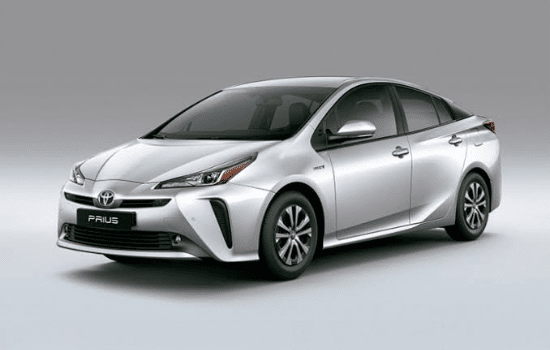
The Toyota Prius is the pioneer of massive hybrid mobility. Launched in 1997, it forever changed the way we think about energy efficiency in cars.
• Average consumption: 29 km/l
• Technology: Combined gasoline-electric hybrid engine with energy regeneration during braking
• Advantages:
• Proven and reliable hybrid system
• Electric mode for short urban trips
• Low maintenance and outstanding durability
• Curiosities:
• It was the first hybrid car sold worldwide
• It has optimized aerodynamics with drag coefficient (Cd) of only 0.24, helping to reduce consumption
• The Prius has sold more than 6 million units worldwide, establishing itself as a green icon
2. Hyundai Ioniq Hybrid: latest generation technology
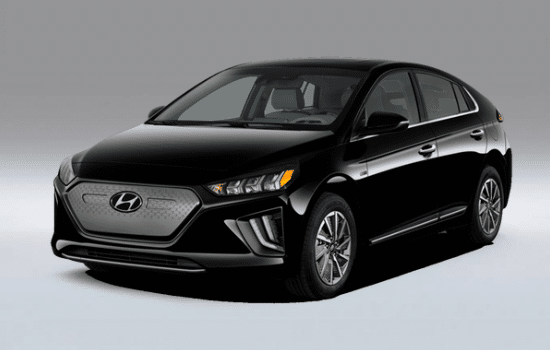
Hyundai bet heavily on the Ioniq, a model that offers hybrid, plug-in hybrid and 100% electric versions, adapting to different needs.
• Average consumption: 26 km/l
• Technology: Parallel hybrid system with electric motor and Kappa 1.6L GDI gasoline engine
• Advantages:
• Intuitive digital display that helps the driver maximize efficiency
• Compact and lightweight lithium polymer battery
• Competitive price compared to other hybrids
• Curiosities:
• The Ioniq was recognized as “Best Eco-Friendly Car” in several countries
• Hyundai has integrated an intelligent regenerative braking system that improves battery recharging with each brake
3. Kia Niro Hybrid: an efficient and practical crossover
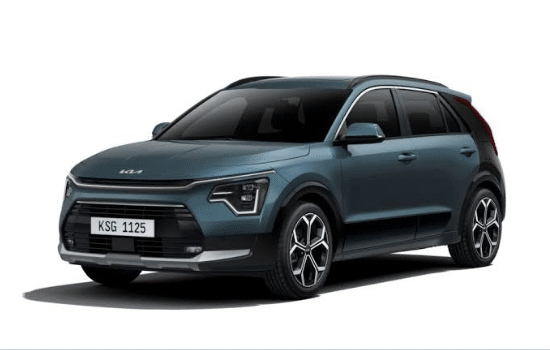
The Kia Niro is a crossover hybrid, offering greater space and versatility without sacrificing efficiency.
• Average consumption: 24 km/l
• Technology: 1.6L gasoline engine combined with electric motor and 1.56 kWh battery
• Advantages:
• Great interior space and comfort for passengers
• Smooth hybrid system that allows imperceptible transitions between electric motor and gasoline
• Excellent capacity for long and urban journeys
• Curiosities:
• El Niro has won design and efficiency awards in several international markets
• It can travel up to 50 km in pure electric mode (in its plug-in hybrid version)
4. Peugeot 208 1.5 BlueHDi: the efficiency of European diesel
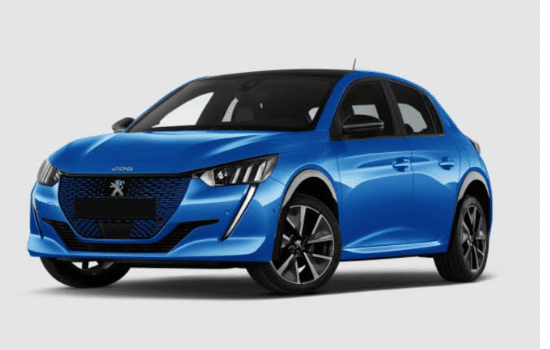
Diesel engines remain very popular in Europe for their low consumption and durability, and the Peugeot 208 is one of the most efficient.
• Average consumption: 29 km/l
• Technology: BlueHDi diesel engine with selective catalytic reduction (SCR) system
• Advantages:
• Excellent autonomy, ideal for long trips
• Low level of polluting emissions thanks to advanced filters and catalysts
• Compact, lightweight motor that improves overall efficiency
• Curiosities:
• The Peugeot 208 is one of the best-selling models in Europe due to its economy and attractive design
• Features intelligent energy management features to maximize savings
5. Volkswagen XL1: the masterpiece of efficiency
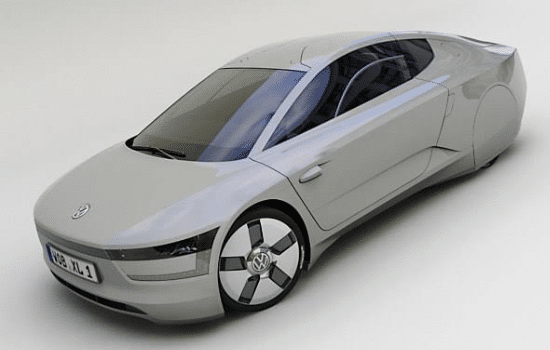
The Volkswagen XL1 is more than a car, it is a technological demonstration that breaks paradigms.
• Average consumption: up to 100 km/l
• Technology: Diesel-electric hybrid with ultralight carbon fiber and extreme aerodynamic design
• Advantages:
• Total weight less than 800 kg
• Design focused on minimizing air resistance (Cd 0.189)
• Cutting-edge technology in batteries and motors
• Curiosities:
• Only 250 units were manufactured, making it a collector's item
• It can reach up to 160 km/h, despite its focus on efficiency
• Its launch price was extremely high, justifying exclusivity
6. Toyota Yaris Hybrid: compact savings for the city
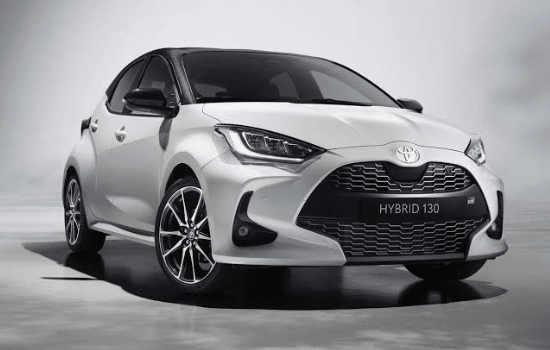
The Toyota Yaris Hybrid is perfect for those looking for a small, efficient and easy-to-drive car in urban areas.
• Average consumption: 25 km/l
• Technology: Hybrid engine with compact battery and CVT system
• Advantages:
• Excellent maneuverability and small size
• Hybrid system that reduces emissions and consumption in heavy traffic
• Low maintenance costs
• Curiosities:
• In Japan, it is known as “Toyota Vitz” and is very popular as a city car
• It has received awards for its economy and safety
7. Honda Insight: historic and efficient hybrid
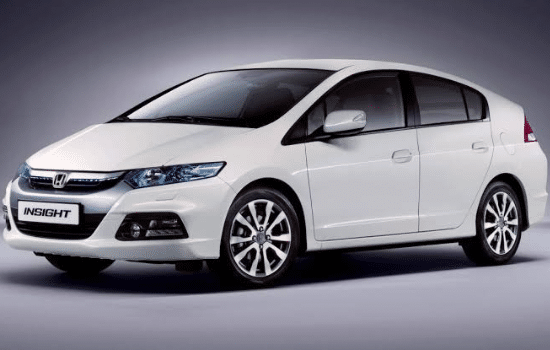
The Honda Insight ushered in the hybrid era in the United States and remains a solid choice.
• Average consumption: 22-24 km/l
• Technology: Atkinson gasoline engine combined with electric motor and regenerative system
• Advantages:
• Excellent combination of efficiency and performance
• Spacious cabin and intuitive driver technology
• Curiosities:
• It was the first hybrid available in the US, launched before the Prius
• Honda continues to innovate with renewed versions of the Insight
8. Renault Clio E-Tech Hybrid: French innovation to save
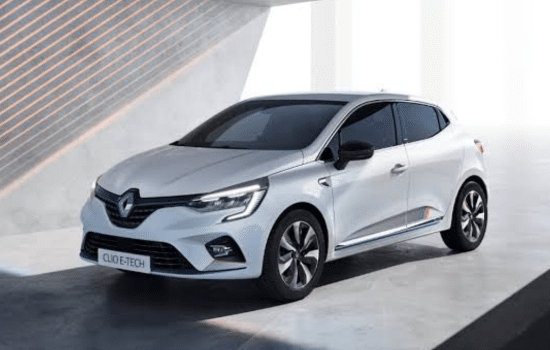
Renault introduces its E-Tech hybrid system with a focus on economy and smooth driving.
• Average consumption: 23 km/l
• Technology: Parallel-series hybrid with double electric motor and 1.6L gasoline engine
• Advantages:
• Possibility of electric driving in the city up to 80% of the time
• Efficient energy recovery in braking
• Curiosities:
• Renault uses technology derived from Formula 1 to improve its hybrid system
• The Clio is one of the best-selling cars in Europe
9. Skoda Fabia 1.0 TSI: the Czech balance

The Skoda Fabia offers a small, efficient engine, ideal for those looking for economy without sacrificing performance.
• Average consumption: 22 km/l
• Technology: 1.0 liter 3-cylinder turbocharged gasoline engine
• Advantages:
• Light and compact engine with good power for its segment
• Modern design and comfort for urban and road trips
• Curiosities:
• Skoda is a brand of the Volkswagen group, with access to advanced technology
• The TSI engine has won awards for its efficiency and low emissions
10. Suzuki Swift Hybrid: small but smart
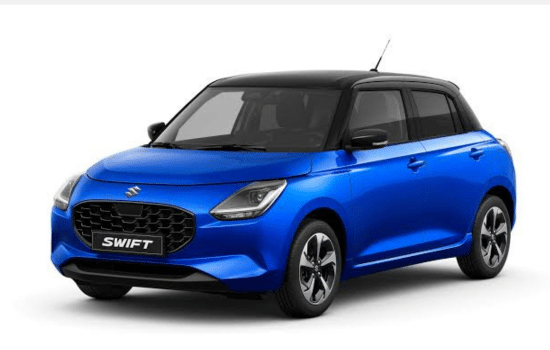
The Suzuki Swift combines small size with light hybrid technology to optimize consumption.
• Average consumption: 23 km/l
• Technology: Soft hybrid with lithium-ion battery and electric motor assistant
• Advantages:
• Consumption improvements of up to 15% compared to the non-hybrid version
• Agile management and good response in the city
• Curiosities:
• Popular in Asia and Europe for its low cost and efficiency
• Lightweight hybrid system does not require plugs, making it easy to use daily
Why choose cheap cars?
Choosing an economical car represents important benefits:
• Significant fuel savings over time
• Lower environmental impact, contributing to the reduction of climate change
• Advanced technologies that improve the driving experience
• Higher resale value due to increasing demand for efficient cars
Conclusion
Investing in an economical car means betting on saving and caring for the planet. This list of the top 10 cheapest cars in the world reflects the diversity of options, from pioneering hybrids to exclusive technological innovations.

Tips for choosing your ideal efficient car
To choose the perfect budget car, consider:
1. Your daily needs: do you use the city or the road more?
2. Fuel type: do you prefer hybrid, diesel or gasoline?
3. Space: are you traveling alone or with family?
4. Budget: includes initial cost and maintenance
5. Local incentives: in some countries there are tax benefits for efficient cars