Announcements
Characteristics of the diet of centenarians
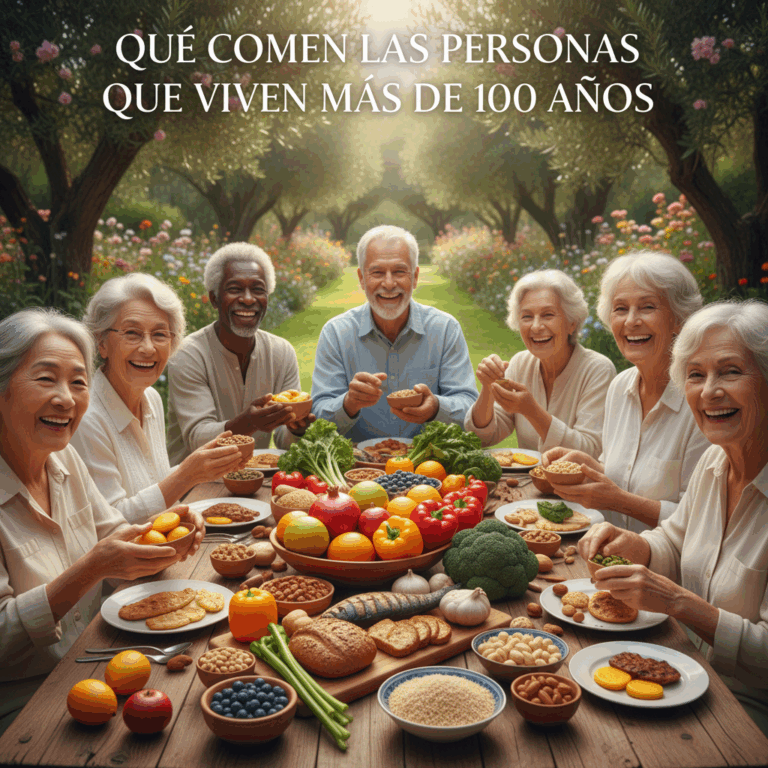
People over 100 years old usually maintain a diet rich in plant foods, which promotes better health and longevity. This pattern is present in the well-known blue zones.
In these regions, 95% of the diet comes from plants, highlighting green leafy vegetables, whole grains, legumes and fresh fruits. The diet is simple, natural and nutritious.
Announcements
This eating style helps reduce chronic diseases and strengthens the body, helping these people live a long and healthy life.
Predominance of foods of plant origin
The majority consumption of plant foods it is essential for longevity. Vegetables such as spinach, kale and chard are recurring in your daily meals.
Announcements
In addition, whole grains and legumes provide fiber and essential nutrients that protect the cardiovascular system and keep the metabolism active.
Fresh fruits complement this diet, providing antioxidants that fight cellular aging and strengthen the immune system.
Moderate consumption of meat and fish
Meat and fish are consumed in moderate quantities, reserved especially for special moments or as an accompaniment.
Small fish, such as sardines and anchovies, are preferred for their high Omega-3 content and low mercury level, benefiting brain and cardiovascular health.
This controlled consumption helps avoid excess saturated fats and promotes a balanced and healthy eating lifestyle.
Key foods in longevity
Green leafy vegetables are essential in the diet of long-lived people, providing vitamins and minerals that strengthen the body. These vegetables include spinach, kale and chard.
Additionally, whole grains and legumes provide fiber and plant proteins, helping to maintain digestive health and controlling blood sugar levels.
Fresh fruits complement the diet, providing antioxidants that protect cells and improve the immune system, keys to a long and healthy life.
Green leafy vegetables
Leafy green vegetables are rich sources of vitamins A, C, K and minerals such as iron and calcium. Frequent consumption is associated with a lower risk of chronic diseases.
These vegetables help reduce inflammation and oxidative stress, factors that accelerate aging and affect longevity.
Including spinach, kale or chard in daily meals provides vital nutrients to maintain cardiovascular and brain health.
Whole grains and legumes
Whole grains, such as oats and brown rice, provide sustained energy and prevent obesity and metabolic syndrome, common in aging.
Legumes, such as lentils and chickpeas, are rich in protein and fiber, help regulate intestinal transit and reduce bad blood cholesterol.
Its combination in the diet guarantees a balanced supply of nutrients for cellular repair and optimal functioning of the body.
Fresh fruits
Eating fresh fruits daily provides natural antioxidants, such as flavonoids and vitamin C, that protect cells from damage caused by free radicals.
Fruits also provide hydration and fiber, important elements to maintain good digestion and prevent age-related diseases.
Fruits such as apples, oranges and berries are common in blue areas and contribute to a balanced and long-lasting diet.
Olive oil and small fish
Olive oil is a fundamental component in long-term diets, as it contains healthy fats that improve cardiovascular health and reduce inflammation.
The consumption of small fish, such as sardines and anchovies, provides omega-3 fatty acids, antioxidants and minerals with benefits for the brain and heart.
These foods help control cholesterol and offer essential nutrients to maintain vital functions during aging.
Traditional preparation techniques
Traditional food preparation techniques play an essential role in longevity, preserving nutrients and enhancing natural flavors.
Methods such as fermentation and slow cooking promote digestion and increase nutritional value, in addition to avoiding the use of artificial additives.
Fermentation and slow cooking
Fermentation is an ancient technique that enriches foods with probiotics, essential for intestinal health and strengthening the immune system.
On the other hand, slow cooking allows food to retain its vitamins and minerals, facilitating the absorption of nutrients and improving digestibility.
Both techniques prevent food spoilage and limit the need for preservatives, keeping food as natural as possible to benefit long-term health.
Principles for a long healthy diet
A long-lasting healthy diet is based on the regular consumption of fresh and natural foods, which provide essential nutrients without adding artificial ingredients.
This approach promotes better absorption of vitamins and minerals, helping to keep the body strong and prevented from chronic diseases.
In addition, opting for natural products promotes a balanced lifestyle and improves quality of life in the long term.
Fresh and natural foods
Eating fresh foods means choosing unprocessed products, rich in nutrients and with minimal chemical or physical alterations, which guarantees their quality.
Fruits, vegetables, cereals and legumes in their natural state provide fiber, antioxidants and vitamins that help combat cellular aging.
This principle contributes to strengthening the immune system and maintaining a healthy metabolism that promotes longevity.
Avoid processed and artificial preservatives
Processed foods and artificial preservatives may contain additives and substances that negatively affect health and accelerate aging.
Reducing or avoiding these products decreases inflammation in the body and prevents cardiovascular disease, diabetes and other chronic disorders.
This nutritional care is key to maintaining a resistant body and prolonging life with quality and well-being.