Announcements
Benefits of consuming seasonal fruits and vegetables
Eating seasonal fruits and vegetables offers multiple benefits for health and the environment. These foods are at their optimal point of flavor and nutritional value.
In addition, taking advantage of seasonal products helps reduce the use of pesticides and fertilizers, guaranteeing a more natural and safe diet for the body.
Nutritional and flavor advantages
Announcements
Seasonal fruits and vegetables ripen naturally, increasing their vitamin and antioxidant content, essential for healthy nutrition.
Its flavor and texture are superior, since they do not require prolonged storage or artificial processes that modify its original quality.
Announcements
Eating fresh, seasonal foods means making the most of their benefits to strengthen the immune system and maintain well-being.
Environmental impact and support for the local economy
Buying seasonal products significantly reduces the carbon footprint by minimizing food transportation and storage.
This practice favors local producers, promoting a fairer and more sustainable economy that benefits the nearby community.
Thus, responsible consumption contributes to the conservation of the environment and promotes balanced agricultural systems that respect nature.
Varieties of fruits and vegetables depending on the season
Fruits and vegetables vary depending on the season of the year, offering a diversity of fresh and nutritious products. Adapting to these variations allows you to make the most of each season.
Consuming products according to their season guarantees better quality, authentic flavor and healthier and more economical options for the daily diet.
Fresh products in winter
In winter, vegetables such as broccoli, cauliflower, chard and leek stand out, very rich in vitamins that strengthen the immune system.
It is also the time for citrus fruits such as oranges, tangerines and lemons, ideal for obtaining vitamin C and antioxidants that protect against diseases.
These fresh products help maintain an important nutritional balance during the cold months and add variety to the kitchen.
Typical fruits and vegetables of each season
Each season has its own list of fruits and vegetables that ripen in natural conditions, offering unique flavors and health-specific qualities.
In spring you can enjoy asparagus and strawberries, while in summer it offers fresh and juicy tomatoes, peppers and watermelons for the summer.
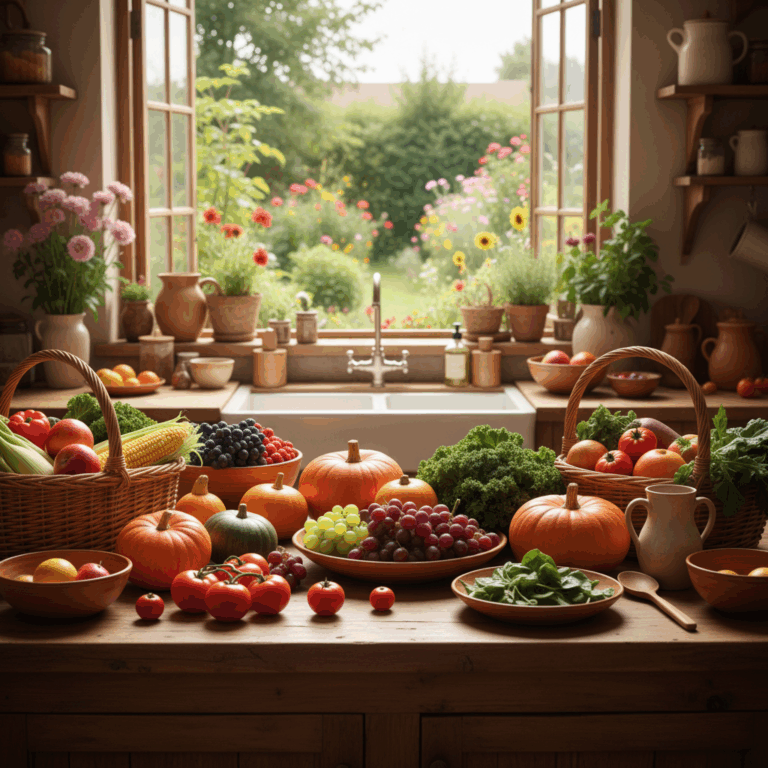
Fall brings high-fiber foods like apples, pumpkins, and grapes, perfect for preparing comforting and nutritious dishes.
Economical and healthy options
Eating seasonal fruits and vegetables is usually cheaper, as their abundance reduces costs and avoids expensive imports.
In addition, these products are fresher and healthier, since they do not require extensive treatments or prolonged storage that affect their quality.
Opting for what each season offers allows you to maintain a balanced diet, taking advantage of the best that nature offers at all times.
How to integrate seasonal products into the kitchen
Integrating seasonal products into the kitchen enriches each dish with authentic flavors and superior freshness. In addition, it promotes healthy and sustainable eating.
Using seasonal ingredients boosts culinary creativity, allowing you to experiment with new recipes that enhance their natural qualities.
Recipes that highlight natural flavors
Recipes with seasonal products highlight their authentic flavor and texture, since these ingredients are at their optimal point of maturation.
Preparing fresh salads, soups or baked dishes with current vegetables and fruits enhances the culinary experience and provides greater nutritional value.
Including aromatic herbs and simple cooking methods helps preserve nutrients and enhance the natural aroma of seasonal foods.
Practices to reduce food waste
Planning meals and making the most of each seasonal ingredient minimizes waste and contributes to more responsible consumption.
Using unusual edible parts, such as leaves or stems, and preserving leftovers using proper techniques extends the shelf life of food.
These practices not only protect the environment, but also optimize family spending and promote a sustainable lifestyle.
Importance of responsible consumption
Responsible consumption of seasonal fruits and vegetables is key to maintaining the health of the planet and supporting sustainable agricultural systems.
By choosing seasonal products, ecological balance is protected and production that respects the environment and natural resources is encouraged.
Ecological balance in agricultural systems
Using seasonal produce reduces the need for intensive agricultural practices that damage biodiversity and soil.
Agricultural systems that respect temporality maintain natural cycles that favor regeneration and environmental balance.
Thus, fauna is protected, erosion is reduced and the fertility of the land is guaranteed for future harvests.
Contribution to sustainability and the planet
Consuming seasonal fruits and vegetables helps reduce the carbon footprint, minimizing transportation and the use of polluting energy.
This practice promotes the care of natural resources and supports an economy that benefits local communities and prevents environmental depletion.
In this way, a conscious consumption model is built that contributes to global well-being and the conservation of the planet.