Announcements
Main effects of ultra-processed food on metabolism
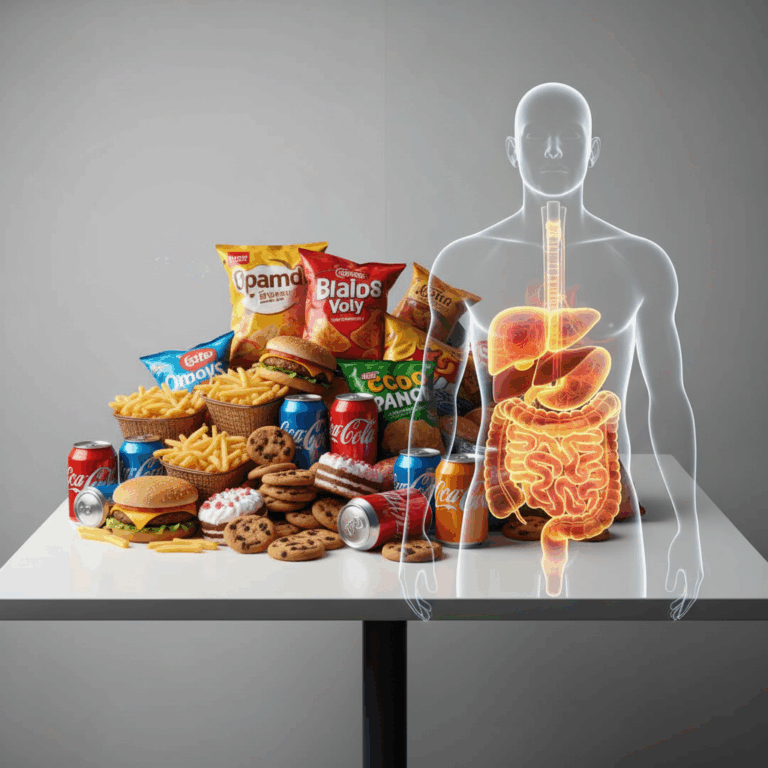
Frequent consumption of ultra-processed food directly impacts metabolism, altering key processes that regulate energy and body balance. Its composition rich in simple sugars and unhealthy fats is responsible for these changes.
These foods cause adverse metabolic responses, such as spikes in blood glucose and alterations in insulin sensitivity, which can lead to chronic metabolic conditions if high consumption habits are maintained.
Announcements
In addition, certain additives present in ultra-processed foods contribute to inflammatory processes that affect general metabolic function, increasing the risk of diseases related to metabolism and the cardiovascular system.
Impact on insulin resistance and blood glucose
Ultra-processed food causes rapid and high increases in blood glucose, which generates a greater demand for insulin for regulation. This repeated process can lead to insulin resistance.
Announcements
Insulin resistance is a condition in which cells respond less effectively to this hormone, hindering the entry of glucose and causing significant metabolic imbalances that predispose to type 2 diabetes.
Foods with high levels of refined carbohydrates and simple sugars facilitate these glycemic spikes, causing the body to adapt negatively to glucose management, affecting short- and long-term metabolic health.
Chronic inflammation and its relationship with metabolic function
Regular consumption of ultra-processed foods induces chronic low-grade inflammation, induced mainly by trans fats and refined oils present in these products. This inflammation affects metabolic signaling.
This persistent inflammatory situation interferes with the normal function of metabolic organs, such as the liver and adipose tissue, increasing susceptibility to metabolic disorders and cardiovascular complications.
The inflammatory process associated with these foods also contributes to increased oxidative stress and alters hormonal regulation, making it difficult to maintain a healthy metabolism and increasing associated risks.
Ultra-processed components that alter metabolism
Ultra-processed foods contain various components that negatively affect metabolism. These ingredients alter the body's energy and hormonal homeostasis, generating metabolic imbalances.
Among the main elements, simple sugars, unhealthy fats and chemical additives stand out, which, when combined, affect the regulation of glucose and inflammation, increasing health risks.
Simple sugars and refined carbohydrates
The simple sugars and refined carbohydrates present in ultra-processed foods cause rapid spikes in blood glucose, generating excessive stress for the body when producing insulin.
This frequent consumption can lead to insulin resistance, hindering effective glucose utilization and promoting an imbalance in blood sugar levels in the long term.
Additionally, these ingredients lack fiber and essential nutrients, which impairs feelings of satiety and can encourage overconsumption and weight gain.
Unhealthy fats and refined oils
Trans fats and refined oils are common in ultra-processed foods and contribute to chronic inflammation, a key factor in impaired metabolism and the development of diseases.
These fats increase lipid accumulation in tissues and modify cellular function, which negatively impacts lipid metabolism and insulin sensitivity.
Furthermore, excessive consumption is related to cardiovascular and metabolic dysfunctions, complicating weight control and general health.
Chemical additives and endocrine disruptors
Additives present in ultra-processed foods, such as certain dyes and preservatives, can act as endocrine disruptors, interfering with hormones that regulate appetite and metabolism.
This hormonal alteration hinders energy balance and can increase the predisposition to metabolic diseases by deregulating key functions such as insulin and leptin secretion.
The impact of these compounds is still being studied, but evidence indicates that they contribute to inflammation and metabolic dysfunction when consumed recurrently.
Long-term consequences of excessive consumption
Excessive consumption of ultra-processed food is linked to an increased risk of serious metabolic diseases. These effects are due to the sustained alteration of the body's metabolic balance.
Additionally, maintaining a diet rich in ultra-processed foods can negatively affect hormonal health and appetite control, further complicating the body's ability to regulate weight and energy.
Increased risk of metabolic diseases
Frequent consumption of ultra-processed foods significantly increases the risk of obesity, type 2 diabetes and cardiovascular diseases due to insulin resistance and chronic inflammation.
These foods promote the accumulation of visceral fat and lipid imbalances, which are key factors in the appearance of metabolic disorders and associated long-term complications.
The combined effect of simple sugars, trans fats and additives contributes to a progressive deterioration of metabolism, which can trigger complex and difficult to manage chronic diseases.
Hormonal dysregulation and appetite
The habitual consumption of ultra-processed foods alters hormonal regulation linked to appetite, such as the hormones leptin and ghrelin, causing difficulties in controlling hunger and satiety.
This deregulation can lead to a cycle of overinggestion and excessive calorie consumption, making it difficult to maintain a healthy body weight and promoting the increase in body fat.
In addition, some additives in these foods act as endocrine disruptors, intensifying hormonal alteration and negatively affecting energy metabolism and body balance.
Strategies to limit metabolic impact
Controlling the consumption of ultra-processed foods is essential to preserve metabolic balance and prevent diseases. A diet based on natural and fresh foods should be prioritized.
Energy balance is key to avoiding weight gain related to excessive consumption of ultra-processed foods, since these products easily provide excess calories.
Control of consumption and energy balance
Reducing the consumption of ultra-processed foods reduces the intake of sugars, trans fats and additives, factors that impair metabolic function and promote inflammation.
Maintaining an adequate energy balance involves balancing the calories ingested with those expended, thus avoiding overweight and insulin resistance.
Planning meals with nutritious foods and limiting processed snacks helps regulate appetite and improve the body's metabolic response.
Recommendations for optimal metabolic health
It is recommended to increase the consumption of fruits, vegetables, lean proteins and healthy fats, which support metabolic function and reduce inflammatory risk.
Incorporating daily physical activity also improves insulin sensitivity and helps maintain a balanced metabolism.
Likewise, avoiding frequent consumption of sugary drinks and ultra-processed products promotes hormonal control and body energy balance.